Irish Gaelic Immersion Holidays: Homestays, Courses and the Gaeltacht
Reading a grammar book will teach you about Irish Gaelic. It will not teach you to speak it. For that, nothing beats immersion, time spent surrounded by the language in a place where it is the living medium of daily life. In Ireland, that place has a name: the Gaeltacht, the officially recognised Irish-speaking regions where the language has survived as a community tongue.
An immersion holiday in the Gaeltacht is one of the fastest and most memorable ways to learn Irish. It combines structured study with total immersion, native speakers, and a landscape and culture that pull you in. This guide covers how these holidays work, what the Gaeltacht regions offer, how to choose a course or homestay, and how to get the most out of the experience, whoever you are and whatever your level.
What an Irish immersion holiday actually looks like
An immersion holiday typically runs for one, two or more weeks. The format mixes three ingredients: daily Irish classes, homestay accommodation with Irish-speaking hosts, and a social programme of activities conducted through Irish. The weeks are structured so that you are rarely outside the language for long stretches.
A typical day might look like this. Breakfast with your host family in Irish. Three or four hours of class in the morning, often in small groups split by level. A shared lunch, then an afternoon activity such as a walking tour, a music session, a boat trip or a cooking class, all run through Irish. The evening brings dinner with your hosts or fellow students, then a pub session, a céilí dance, or a storytelling evening. Repeat for a week, and the compounding effect is dramatic.
The supported, structured format is important. Unstructured travel rarely produces real immersion in a minority language, because Irish is not spoken in every shop and street corner the way English is. The Gaeltacht courses are designed specifically to maximise how much of the day runs through Irish, which is why they work so well.
The Gaeltacht regions: where to go
The Gaeltacht is not one place but several regions along Ireland’s west coast and beyond. Each has its own accent, pace and character, and choosing the right one shapes your whole experience.
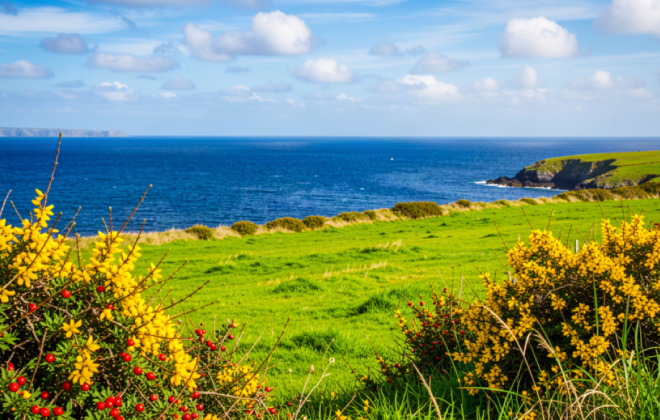
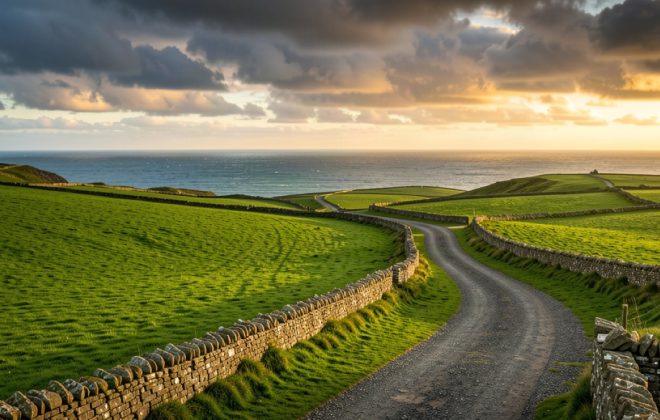
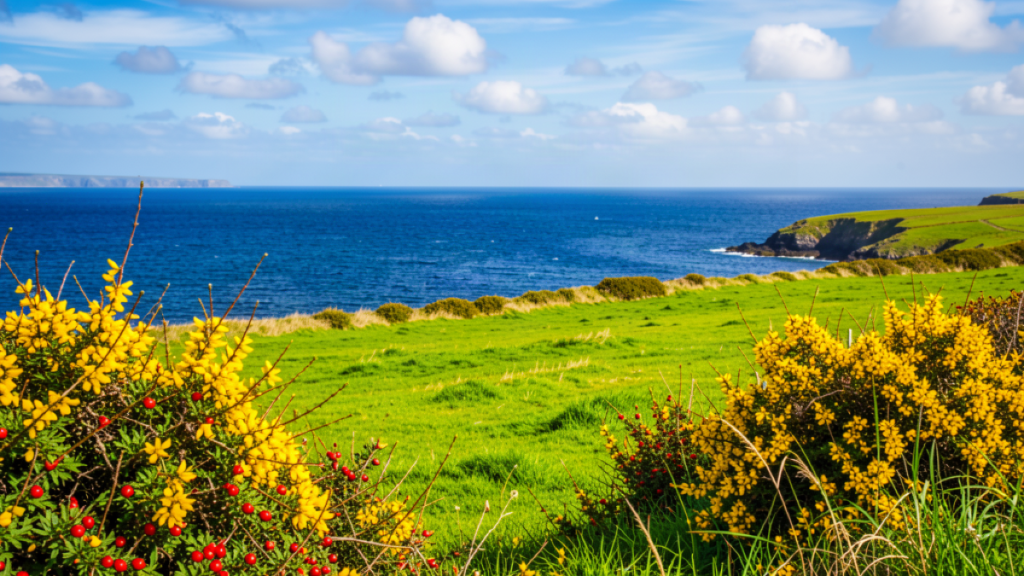
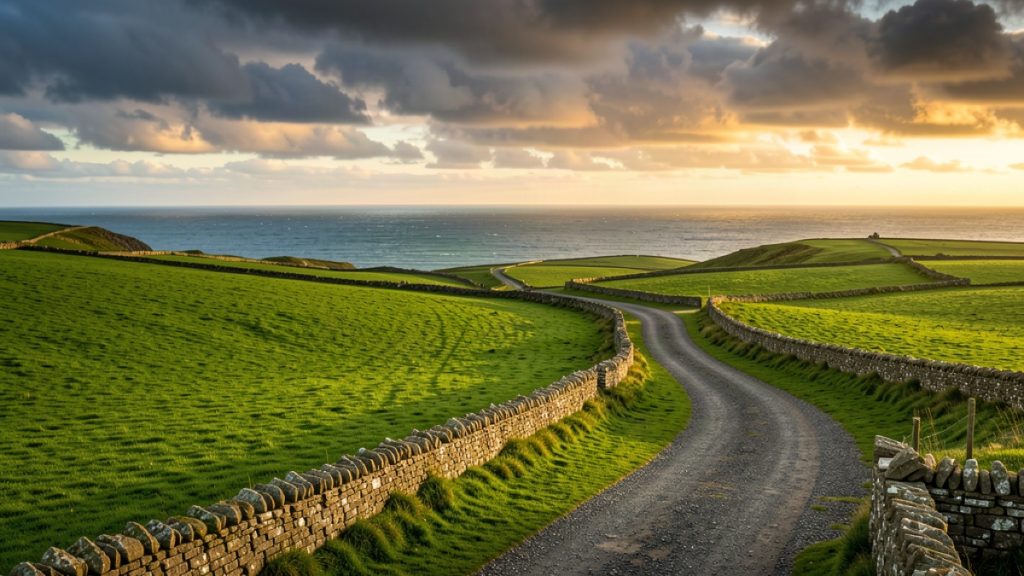
The largest and most famous is the Connemara Gaeltacht in County Galway, a dramatic landscape of mountains, lakes and the Atlantic. It has the biggest concentration of daily Irish speakers and the most course infrastructure, which makes it ideal for beginners and first-timers. The Gaeltacht areas of Donegal in the north-west have a noticeably different, highly distinctive accent and a strong tradition of the local Ulster dialect. In the south, the Cork and Kerry Gaeltachts, around the Beara and Dingle peninsulas, offer the Munster dialect and a warmer, ferry-and-pub atmosphere.
Beginners are usually best served by Connemara, which hosts a huge offering of summer colleges and adult courses and is accustomed to total newcomers. Those with some Irish and an interest in a specific dialect may prefer Donegal or Kerry. Before choosing, read through our guide to the three Irish dialects, Munster, Connacht and Ulster, because the accent you learn first is the one you will carry. And our overview of Ireland’s Irish-speaking regions and why they matter gives the cultural context behind every region.
Choosing a homestay and a course
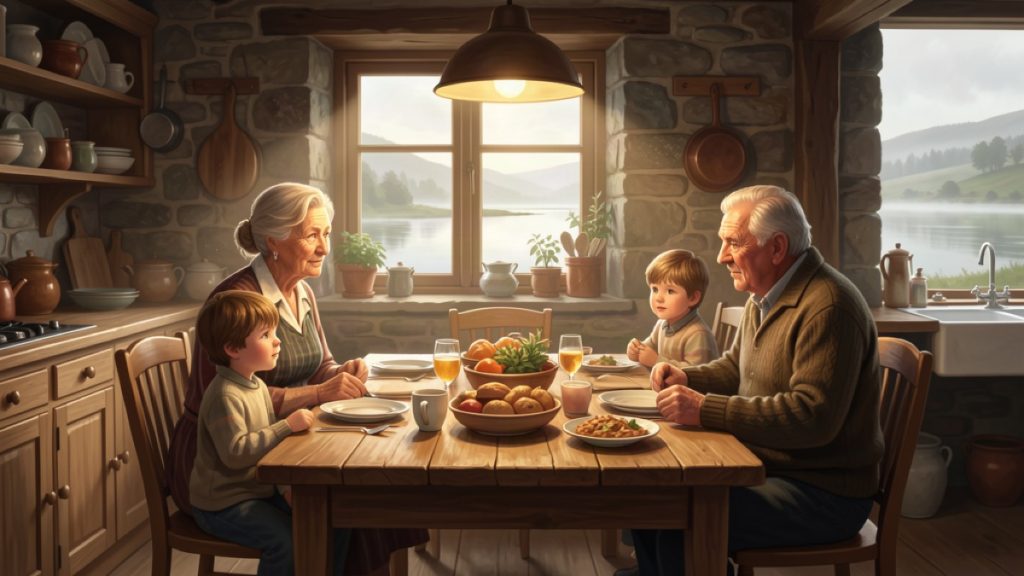
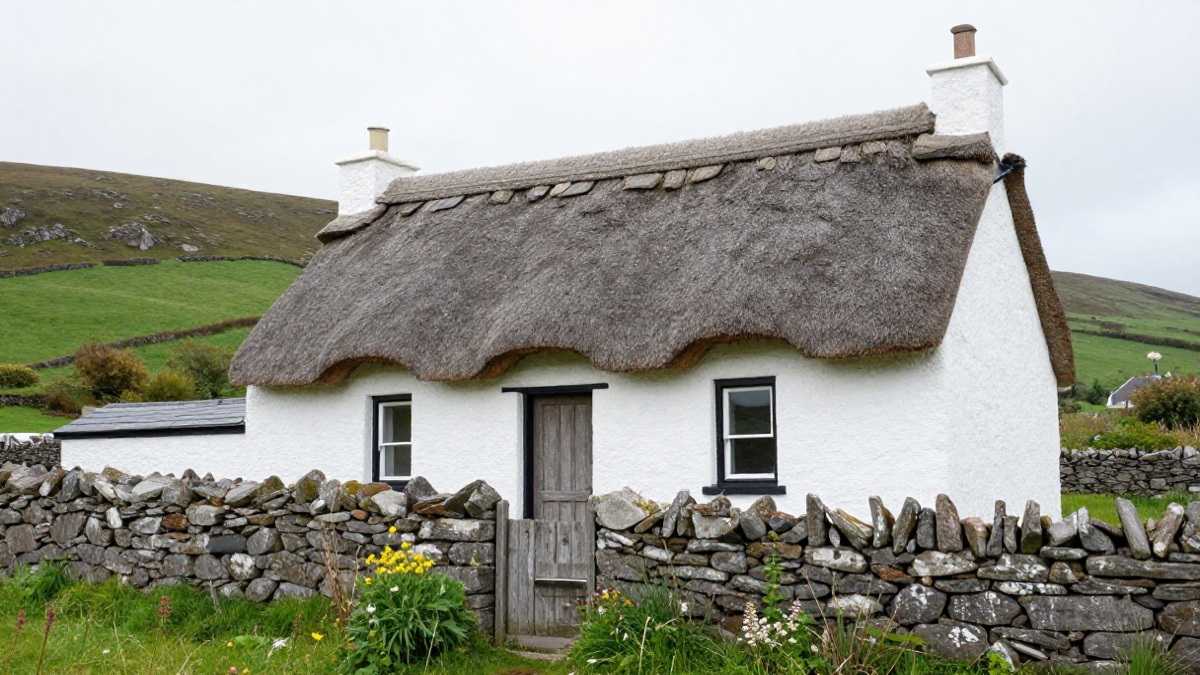
The homestay is where the magic happens. You live with a family that speaks Irish at home, which places you in a situation no classroom can reproduce: real meals, real errands, real conversation in the evening. Host families are vetted and experienced with learners, and they adjust their pace to your level without dropping into English by default, which is precisely the pressure you need.
Course quality varies, so choose deliberately. Look for courses from established colleges with small class sizes, level testing on arrival so you are not misplaced, and a timetable that balances study with social exposure. Ask about the ratio of students to teachers, the provision for true beginners, and whether the programme includes structured immersion activities rather than just classroom hours. The Gaeltacht summer colleges in Connemara, for instance, are organised to host learners in groups, so confirm whether you will join a group or travel solo, as this changes the social dynamic.
If your Irish is already conversational, consider a dedicated adult programme or a conversational week that assumes some fluency and pushes you to speak continuously rather than relearn basics. For a complete newcomer, our Irish Gaelic for beginners guide is the right starting point before you book, because a little groundwork means you arrive ready to speak rather than overwhelmed. (You can also brush up your basics with our Irish greetings guide, so you are never at a loss on day one.)
Getting ready before you land
Immersion works best when you arrive able to function, even simply. You will multiply what you gain from a week in the Gaeltacht if you do a little preparation in the weeks before. The single most valuable task is to build a working core of everyday vocabulary and phrases, so that basic interactions run in Irish from the first meal.
- Learn greetings, polite phrases and numbers cold, so social mechanics are automatic
- Build a foundation of common nouns for food, the house, the street and travel
- Get used to hearing spoken Irish, through radio, TV and podcasts, before you arrive
Two resources on this site are ideal preparation. The Irish travel phrases guide gives you the survival phrases you will actually use in a shop or café, and the Irish TV and radio guide shows you where to hear real, natural Irish son in advance. If you arrive with the mechanics of simple exchanges already in place, your immersion week converts from “surviving” to “sprouting”.
Making the most of the week
Once you are there, your attitude matters more than your level. The learners who get the most from an immersion holiday share a few habits.
- Speak even when it is uncomfortable; use more Irish than you know perfectly
- Resist the temptation to default to English with other students or your hosts
- Use the social programme actively; music sessions and céilí dances are language-rich
- Keep a small notebook and capture a handful of new phrases each day
- Let yourself be corrected; hosts and teachers correcting you is a gift
One of the most powerful experiences in the Gaeltacht is the music and the céilí. Songs, laments, and ballads are treasuries of the language, its vocabulary, its grammar and its history. Our guide to learning Irish through traditional songs shows how music trains your ear, and the music and poetry principle applies equally on the Irish side. Learning one song during your week gives you grammar, vocab, pronunciation and a memory anchor all at once.
After the holiday: not losing it
Immersion gives you a burst. What decides your long-term progress is what you do in the months after you come home, when the Irish is no longer all around you. Plan for this before you leave.
Repetition is the answer. You will need to actively review the vocabulary and phrases your week loaded into your memory, or it will fade. This is exactly the problem spaced repetition solves: it schedules reviews at the moment you are about to forget, so fewer repetitions move the words into permanent memory. Our science guide to spaced repetition explains how it works, and the deck-building walkthrough shows you how to capture your holiday phrases and keep them alive. Give the card-building a few minutes each evening during your holiday, logging the words you meet, and you will return home with a ready-made review deck.
Frequently asked questions about immersion holidays
Can a complete beginner go to a Gaeltacht immersion holiday? Yes. Connemara in particular is set up for absolute beginners, with level testing, English-speaking support staff and courses that assume zero Irish. The reality is that even at beginner level you absorb a huge amount, because you are reading the situation, hearing the cadence, and slowly recognising the words you prepped. It is the bravest and most effective way to start, even if the first two days feel intense.
How much does an immersion holiday cost? Living with a host family and taking classes for a week typically runs a few hundred euros, which makes it more affordable than most people expect, and far cheaper than the equivalent weeks of private tuition back home. Longer courses and peak summer weeks cost more. The return on that price, real speaking progress and a stay of a lifetime, is hard to match.
Do I have to stay in a homestay, or can I stay in a hostel? You can attend a course with hostel or hotel accommodation, and some learners prefer it for independence. But the homestay is where the language lives. Host families speak Irish with you before, during and after the course, which effectively doubles your immersion hours. If you can tolerate sharing a family’s routine, choose the homestay.
Will everyone just switch to English with me? Occasionally, yes, out of politeness, especially if you look struggling. That is why the best courses coach both you and your host to stay in Irish, and why learners who politely keep answering in Irish, even slowly, get uninterrupted immersion. The language-exchange and speaking-partner guide has techniques for steering strangers back into Irish that carry straight into the Gaeltacht.
How do I keep my Irish alive once I am home? This is the question everyone asks on the last day, and the honest answer is that you must transfer your burst of Irish into a sustainable review habit quickly, or a slice of it fades. Log the phrases you learned and schedule them for revision from your first evening back home, which is exactly what the spaced-repetition deck in the next section is for.
Conclusion
An Irish Gaelic immersion holiday is more than a holiday. It is the fastest route to speaking, a chance to hear and feel the language as a living community tongue, and an experience you will remember for years. By choosing the right Gaeltacht region, staying with an Irish-speaking family, and preparing a usable core of phrases before you go, you turn a week away into a genuine step forward in your Irish.
The catch is the return. Immersion loads your memory quickly, and without review that load drains away. If you want the Gaeltacht to keep paying dividends long after your bags are unpacked, pair your immersion trip with a spaced-repetition routine that keeps every new word and phrase alive.
FlashLearn for Irish Gaelic is built for exactly that. It takes the phrases and vocabulary you learned in the Gaeltacht and schedules them with the spaced-repetition system that makes learning stick, on your phone, wherever that post-holiday Irish would otherwise fade.